Best White Noise Machines
Find the best white noise machines for better sleep.
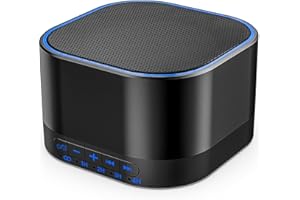
Magicteam White Noise Machine 20 Sounds

Hatch Go Portable Sound Machine
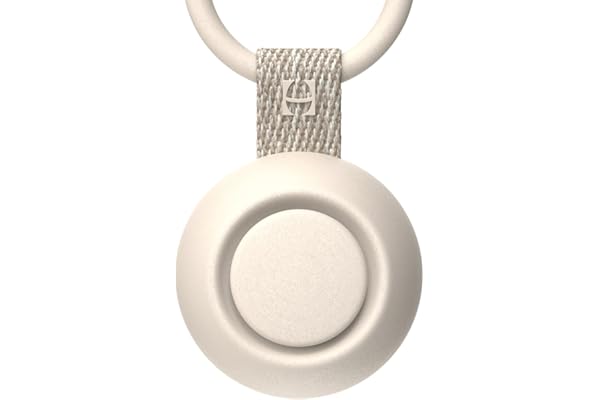
- ✓10 sleep sounds including white noise
- ✓Battery powered for naps anywhere
- ✓Compact design fits in any diaper bag
Hatch Go Portable Sound Machine
- ✓10 sleep sounds including white noise
- ✓Battery powered for naps anywhere
- ✓Compact design fits in any diaper bag
Portable Baby Sound Machine
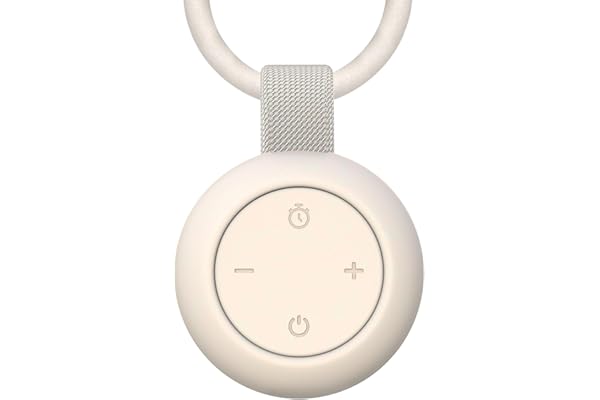
- ✓12 soothing white noise sounds for sleep
- ✓USB rechargeable with extended battery life
- ✓Compact design travels anywhere easily
Portable Baby Sound Machine
- ✓12 soothing white noise sounds for sleep
- ✓USB rechargeable with extended battery life
- ✓Compact design travels anywhere easily
Brown Noise Machine with 10-Level Night Light
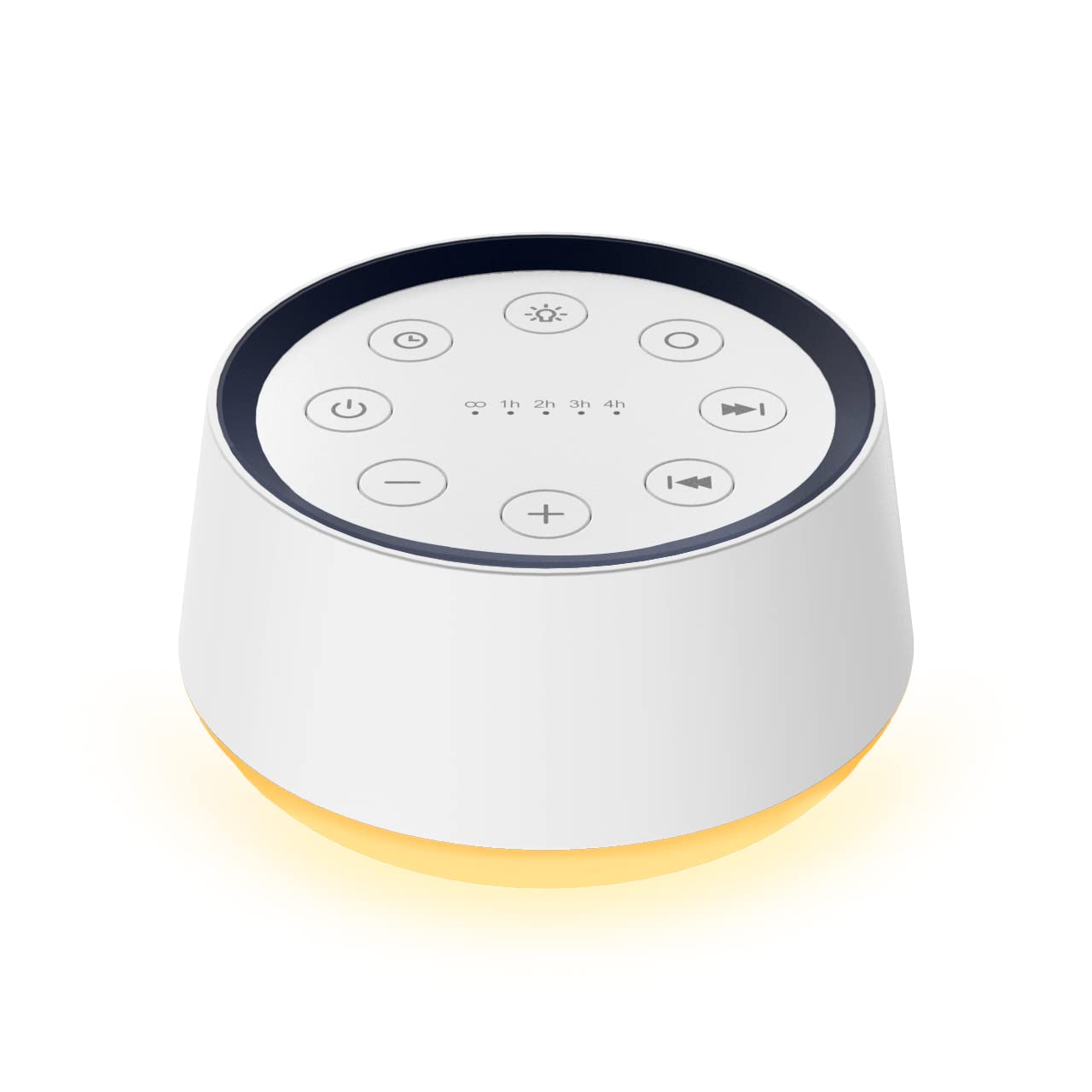
- ✓10 adjustable brightness levels for sleep
- ✓AC powered with memory function
- ✓Creates perfect sleep atmosphere
Brown Noise Machine with 10-Level Night Light
- ✓10 adjustable brightness levels for sleep
- ✓AC powered with memory function
- ✓Creates perfect sleep atmosphere
Dreamegg D11 Max Portable Noise Machine

- ✓30+ sound options including white noise
- ✓10-hour battery life on single charge
- ✓Compact design fits in any bedroom
Dreamegg D11 Max Portable Noise Machine
- ✓30+ sound options including white noise
- ✓10-hour battery life on single charge
- ✓Compact design fits in any bedroom
Momcozy White Noise Machine 34 Sounds
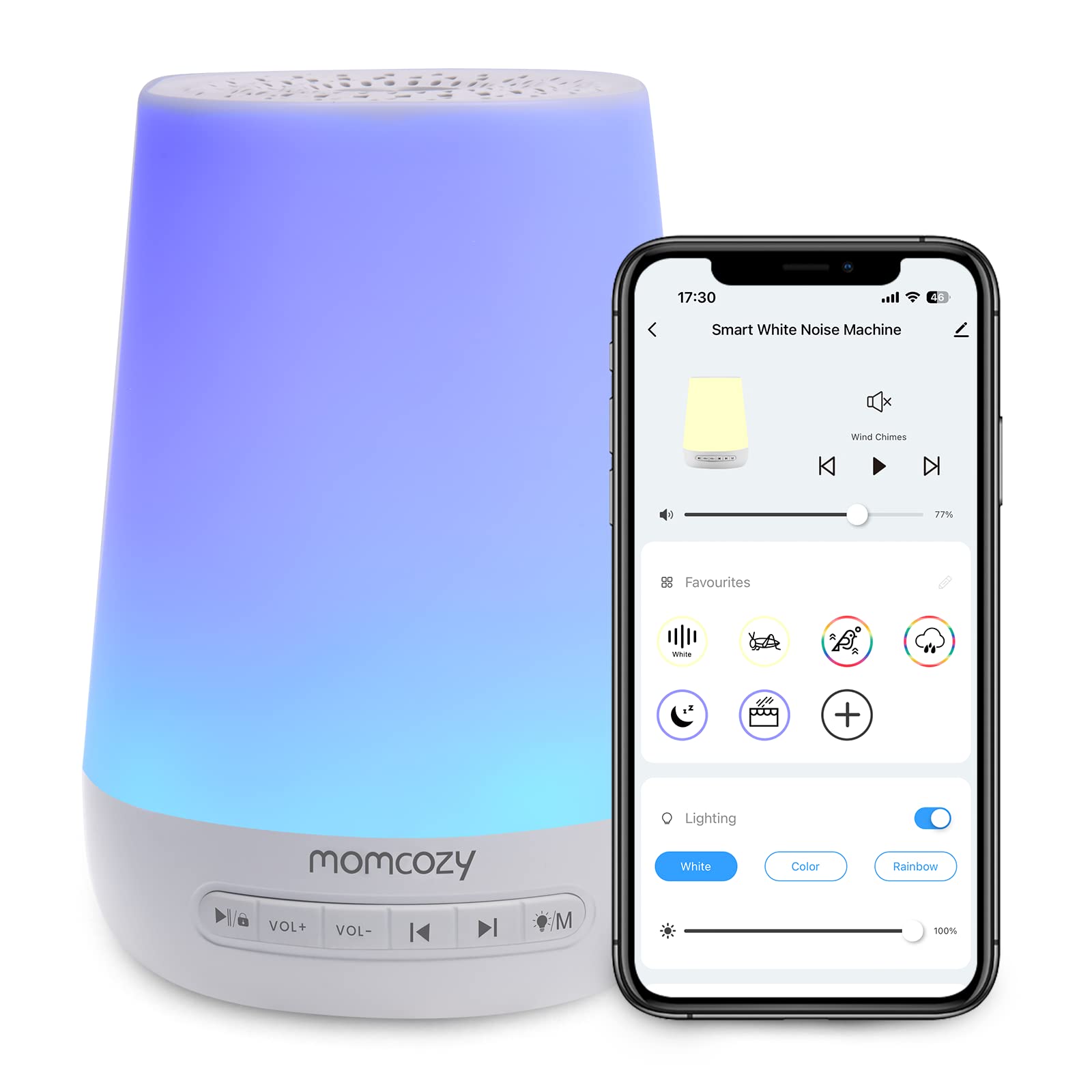
- ✓34 high-fidelity sounds from 40-110 dB
- ✓Adjustable soft LED night light included
- ✓Masks intrusive noises for better sleep
Momcozy White Noise Machine 34 Sounds
- ✓34 high-fidelity sounds from 40-110 dB
- ✓Adjustable soft LED night light included
- ✓Masks intrusive noises for better sleep
Babelio White Noise Machine

- ✓Timer control with instant on/off button
- ✓Multiple noise options for sleep and focus
- ✓Safe for all ages from babies to adults
Babelio White Noise Machine
- ✓Timer control with instant on/off button
- ✓Multiple noise options for sleep and focus
- ✓Safe for all ages from babies to adults
Homedics SoundSleep White Noise Machine

- ✓6 digitally recorded nature sounds for sleep
- ✓Portable design fits any bedroom or travel
- ✓Auto-off timer with adjustable volume control
Homedics SoundSleep White Noise Machine
- ✓6 digitally recorded nature sounds for sleep
- ✓Portable design fits any bedroom or travel
- ✓Auto-off timer with adjustable volume control
Hatch Baby Sound Machine with Night Light
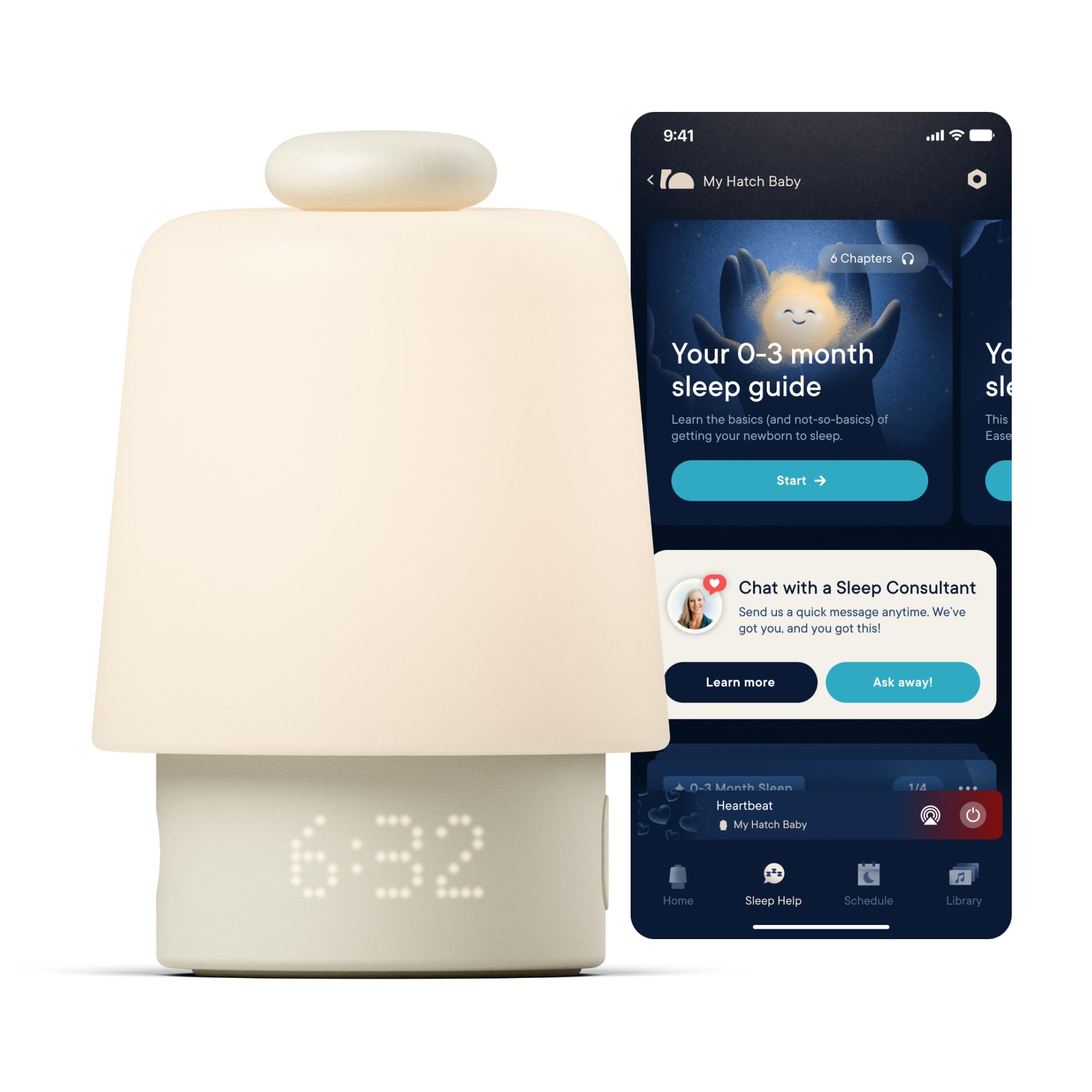
- ✓Real-time sleep consultant chat for guidance
- ✓White noise and lullabies support baby sleep
- ✓Dimmable night light with customizable colors
Hatch Baby Sound Machine with Night Light
- ✓Real-time sleep consultant chat for guidance
- ✓White noise and lullabies support baby sleep
- ✓Dimmable night light with customizable colors
Hatch Restore 3 Sleep System
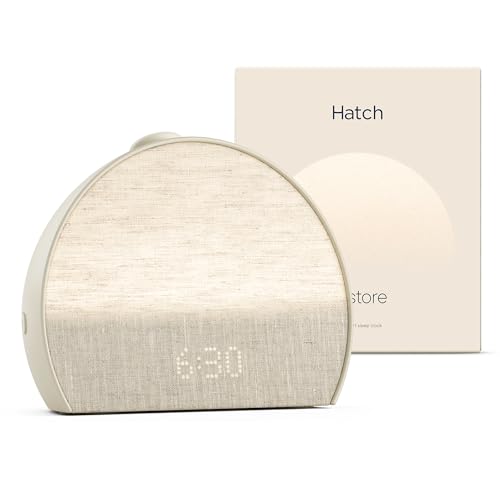
- ✓Sunrise alarm gradually brightens over 30 minutes
- ✓White noise and sleep sounds aid restful sleep
- ✓App controls bedtime routine and wake schedule
Hatch Restore 3 Sleep System
- ✓Sunrise alarm gradually brightens over 30 minutes
- ✓White noise and sleep sounds aid restful sleep
- ✓App controls bedtime routine and wake schedule
Buyer's Guide
Sound Quality and Variety
Look for machines offering actual recorded sounds (ocean waves, rain, fans) rather than looped digital tracks that create noticeable repetition every 30-60 seconds. Premium models provide 20+ sound options including white, brown, and pink noise variants. Brown noise has deeper bass frequencies (better for blocking low-frequency sounds like traffic), while white noise works well for higher-pitched disturbances. Test before buying if possible—some cheaper units produce tinny, artificial audio that's more irritating than soothing.
Volume Range and Controls
Effective machines need 65-85 dB maximum output to mask typical household noises without damaging hearing. Check for precise volume adjustment (20+ levels vs. just low/medium/high). Physical buttons beat touch controls for middle-of-the-night adjustments. Timer functions (30/60/90 minutes, or continuous play) let you decide whether it runs all night or just helps you fall asleep. Avoid models requiring apps for basic functions—Bluetooth connectivity often introduces bugs and delays.
Portability vs. Desktop Features
Battery-powered portable units (8-12 hours per charge) work for travel, nurseries, or rooms without nearby outlets, but typically sacrifice speaker quality and volume. Desktop models plug in continuously and deliver richer sound with larger speakers, often adding extras like USB charging ports or nightlights. Compact portables (under 4 inches) fit in carry-ons easily but may lack bass response. Consider your primary use case: nightly bedroom use favors plug-in power, while parents moving between rooms need battery operation.
Build Quality and Longevity
Durable machines use ABS plastic housings and rubberized bases to prevent sliding on nightstands. Check warranty length (1+ years indicates manufacturer confidence). Machines running continuously 8+ hours nightly need solid internal components—cheaper models often develop buzzing or speaker rattle within 6 months. Read recent reviews specifically mentioning long-term reliability rather than just unboxing impressions. Memory functions that restore your last-used settings after power loss save frustration.