Best Power Stations
Find the best portable power stations for outdoor use.
Anker 25000mAh Laptop Power Bank 165W
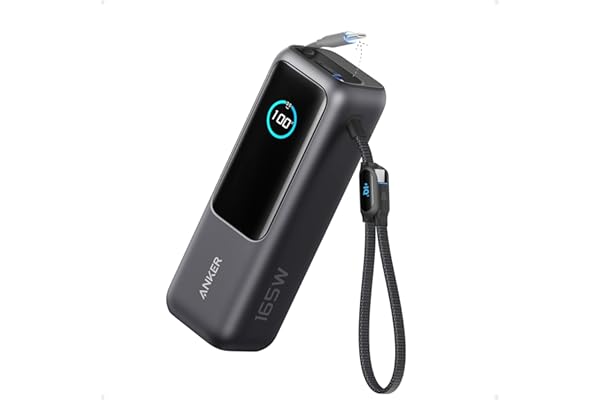
- ✓Charges 4 devices simultaneously with 165W output
- ✓25000mAh capacity powers laptops and phones
- ✓Compact design for travel and emergency backup

Anker 25000mAh Laptop Power Bank 165W
- ✓Charges 4 devices simultaneously with 165W output
- ✓25000mAh capacity powers laptops and phones
- ✓Compact design for travel and emergency backup
Flat Plug Power Strip 6ft 7-in-1

- ✓Expands 1 outlet to 3 outlets plus 4 USB ports
- ✓Charges up to 7 devices simultaneously
- ✓Ultra-flat 6ft cord for tight spaces
Flat Plug Power Strip 6ft 7-in-1
- ✓Expands 1 outlet to 3 outlets plus 4 USB ports
- ✓Charges up to 7 devices simultaneously
- ✓Ultra-flat 6ft cord for tight spaces
Jackery Solar Generator 1000 v2
- ✓1500W AC output with 3000W surge peak
- ✓1070Wh capacity powers AC units and fridges
- ✓200W solar panel charges in one hour
Jackery Solar Generator 1000 v2
- ✓1500W AC output with 3000W surge peak
- ✓1070Wh capacity powers AC units and fridges
- ✓200W solar panel charges in one hour
ORICO 4FT Purple Travel Power Strip
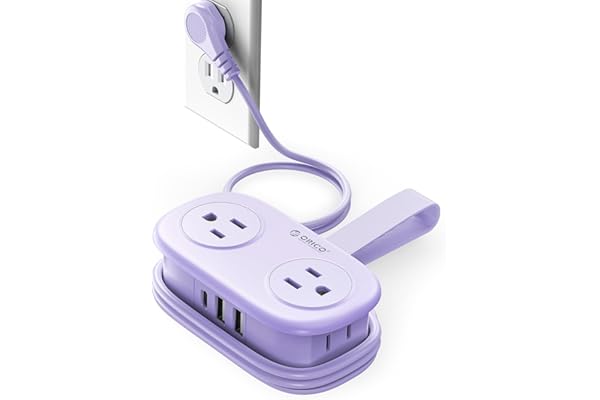
- ✓Weighs 9.98 oz with 4 AC outlets
- ✓Compact 4.33x2.5x1.6 inch design
- ✓Wall-mountable with integrated holes
ORICO 4FT Purple Travel Power Strip
- ✓Weighs 9.98 oz with 4 AC outlets
- ✓Compact 4.33x2.5x1.6 inch design
- ✓Wall-mountable with integrated holes
16-Outlet Power Strip Tower with USB
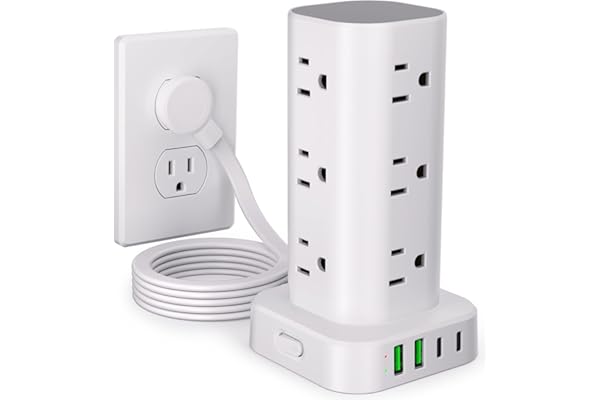
- ✓12 AC outlets plus 4 USB ports charge 16 devices
- ✓45° angled outlets prevent adapter blockage
- ✓6ft extension cord reaches distant power sources
16-Outlet Power Strip Tower with USB
- ✓12 AC outlets plus 4 USB ports charge 16 devices
- ✓45° angled outlets prevent adapter blockage
- ✓6ft extension cord reaches distant power sources
Anker Prime 26250mAh 300W Power Bank
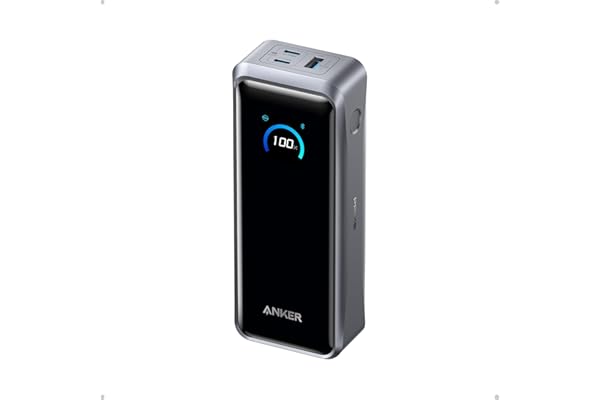
- ✓300W across 3 ports charges two MacBook Pros
- ✓140W fast charging recharges MacBook to 50% in 27min
- ✓250W dual USB-C input recharges the bank in 28min
Anker Prime 26250mAh 300W Power Bank
- ✓300W across 3 ports charges two MacBook Pros
- ✓140W fast charging recharges MacBook to 50% in 27min
- ✓250W dual USB-C input recharges the bank in 28min
FosPower NOAA Weather Radio A1
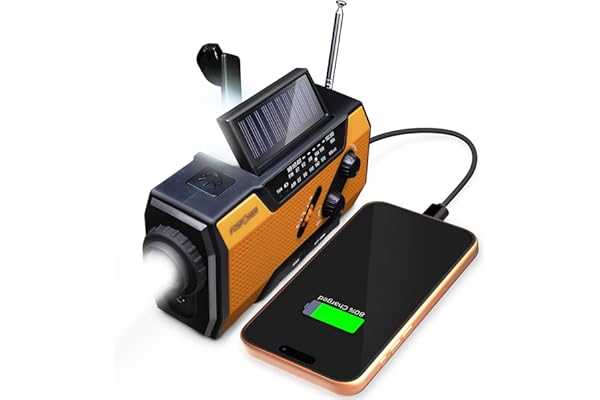
- ✓Solar + crank power for continuous operation
- ✓7400mWh battery lasts days without charging
- ✓NOAA alerts, LED flashlight, SOS alarm included
FosPower NOAA Weather Radio A1
- ✓Solar + crank power for continuous operation
- ✓7400mWh battery lasts days without charging
- ✓NOAA alerts, LED flashlight, SOS alarm included
Jackery Explorer 300 Power Station
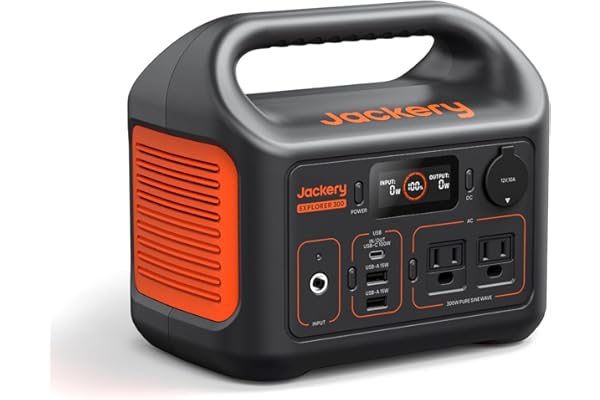
- ✓80% charge in 2 hours via wall outlet
- ✓60W USB-C port charges devices simultaneously
- ✓Safe steady power for camping and emergencies
Jackery Explorer 300 Power Station
- ✓80% charge in 2 hours via wall outlet
- ✓60W USB-C port charges devices simultaneously
- ✓Safe steady power for camping and emergencies
MARBERO M822MAX 172Wh Solar Generator
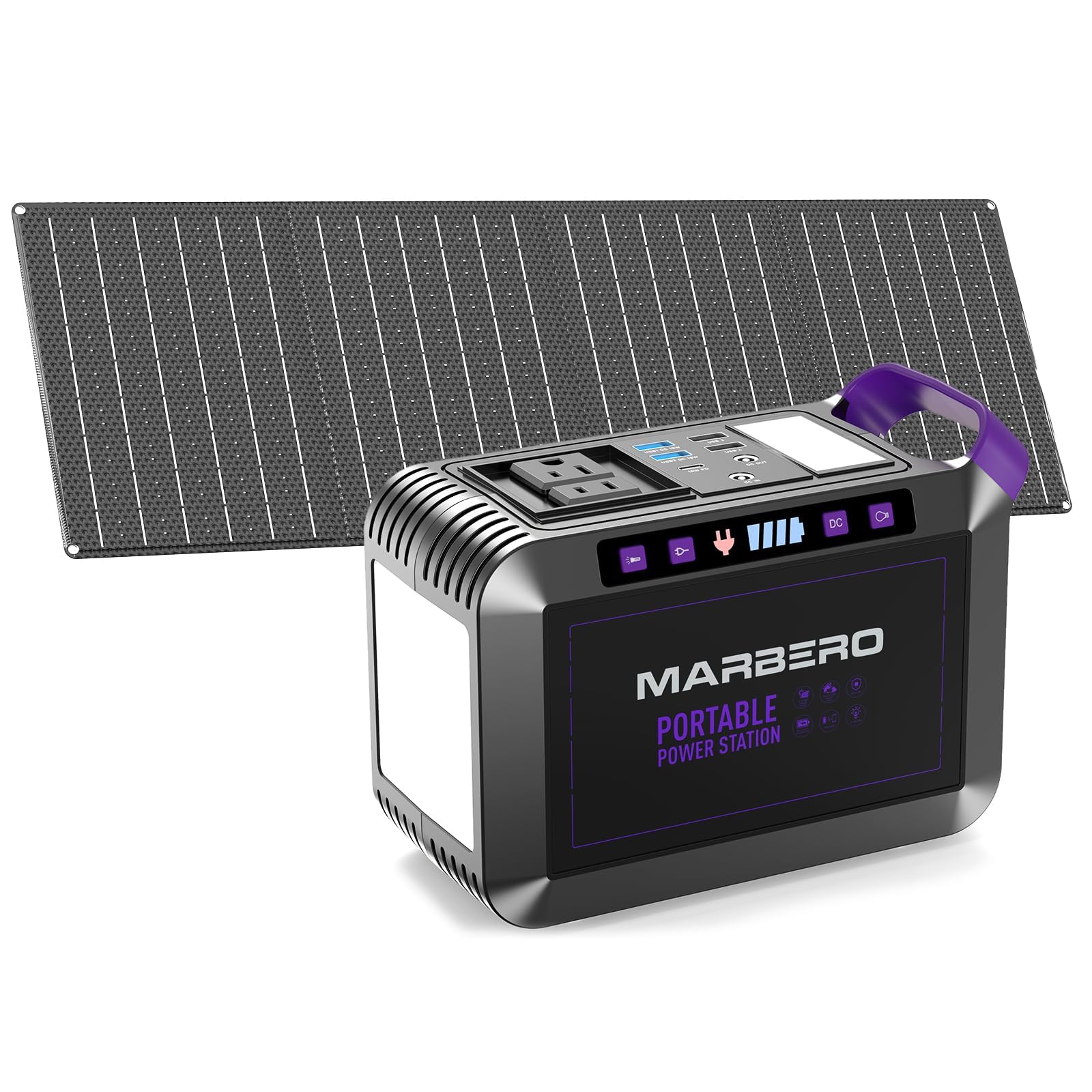
- ✓172Wh capacity powers laptops and small devices
- ✓40W solar panel included for outdoor recharging
- ✓Multiple outputs: AC, USB, and DC ports
MARBERO M822MAX 172Wh Solar Generator
- ✓172Wh capacity powers laptops and small devices
- ✓40W solar panel included for outdoor recharging
- ✓Multiple outputs: AC, USB, and DC ports
EcoFlow Delta 3 Classic Power Station
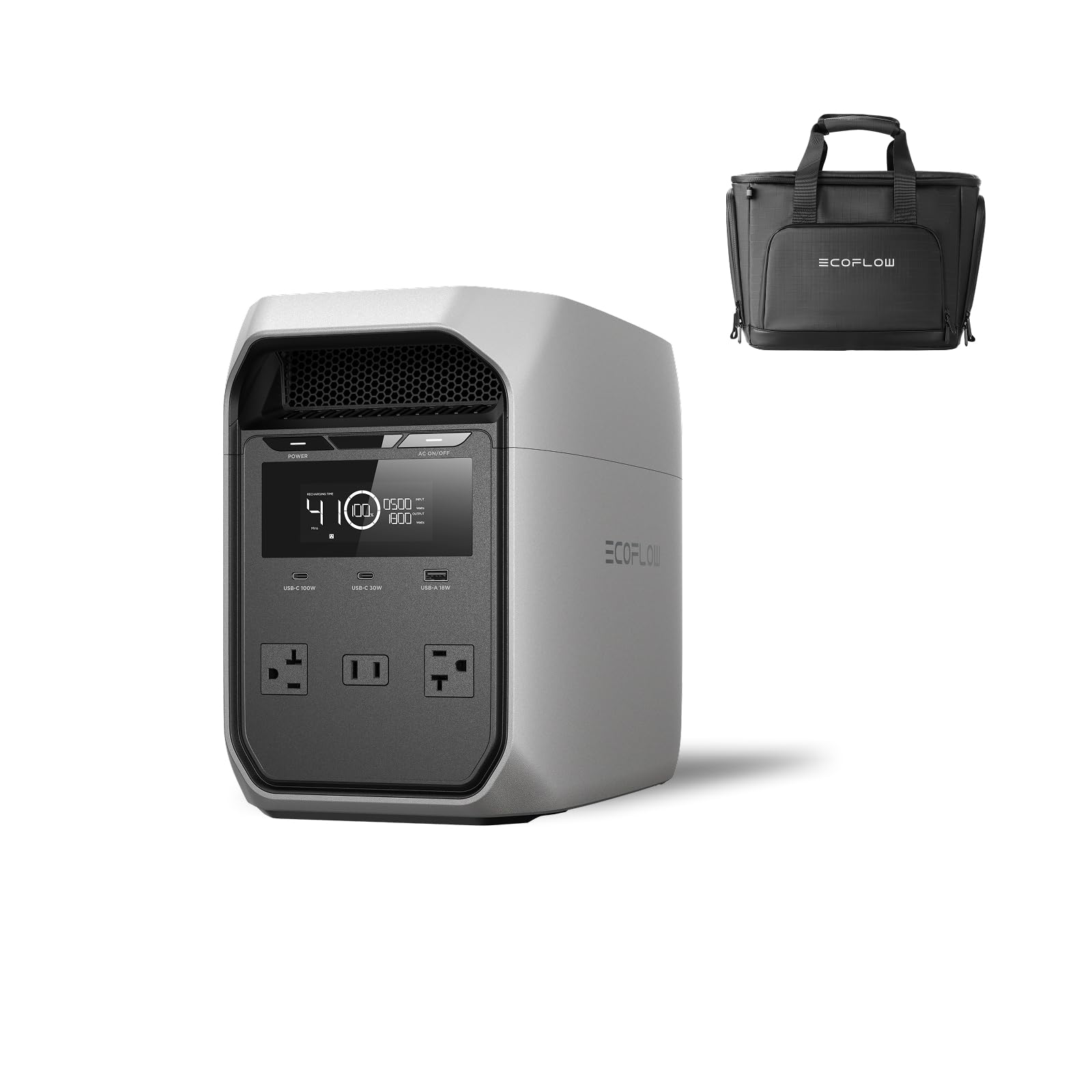
- ✓0–80% charge in 45 minutes with X-Stream
- ✓3072Wh capacity powers most home appliances
- ✓AC/solar/car charging for flexible power
EcoFlow Delta 3 Classic Power Station
- ✓0–80% charge in 45 minutes with X-Stream
- ✓3072Wh capacity powers most home appliances
- ✓AC/solar/car charging for flexible power
Buyer's Guide
Power Capacity and Output
Portable power stations range from 200Wh to 2000Wh+ capacity. A 500Wh unit runs a laptop (50W) for 8-10 hours, while 1000Wh powers a mini-fridge (60W) for 12-15 hours. Check both watt-hour (Wh) rating and continuous output wattage—a 1000Wh station with 1000W output handles most appliances, but budget models may cap at 300-500W continuous despite larger batteries. Calculate your needs: add up device wattages and multiply by runtime hours.
Battery Chemistry and Lifespan
Lithium iron phosphate (LiFePO4) batteries last 3000-4000 cycles versus 500-1000 for standard lithium-ion, meaning 10+ years of use versus 2-3 years. LiFePO4 models cost 30-50% more upfront but deliver better long-term value for frequent users. They're also safer with lower fire risk and perform better in temperature extremes (14°F to 113°F operating range).
Recharge Options and Speed
Wall charging takes 1.5-8 hours depending on capacity and input wattage. Solar compatibility matters for camping—look for MPPT controllers that accept 100W+ panels and can recharge a 1000Wh unit in 4-6 hours of full sun. Dual charging (wall + solar simultaneously) cuts recharge time by 40%. Car charging adds flexibility but typically takes 10-14 hours for larger units.
Port Variety and Real-World Use
Count AC outlets (standard 3-prong), USB-A, USB-C ports, and DC outputs. USB-C PD ports delivering 60W+ charge laptops quickly. Two or more AC outlets let you run multiple devices. Pure sine wave inverters (versus modified sine wave) prevent damage to sensitive electronics like CPAP machines and power tools. Verify total output doesn't exceed the unit's continuous wattage rating when using multiple ports.